
tu sukhkarta tu dukhharta aarti lyrics
- sharansh261020
- Mar 17
- 7 min read

"Tu Sukhkarta Tu Dukhharta" is a revered Aarti dedicated to Lord Ganesha, celebrated in various Hindu traditions for its profound spiritual significance and lyrical beauty. This devotional hymn is not only a plea for blessings and protection but also a celebration of the divine qualities of the deity it venerates. As one of the key elements in Hindu worship, Aarti serves to connect devotees with the divine, creating an atmosphere of reverence and devotion. In this article, we will explore the lyrics of "Tu Sukhkarta Tu Dukhharta," delve into its historical context, analyze its thematic elements, and discuss its enduring popularity and cultural impact. Through this exploration, we aim to gain a deeper appreciation for this cherished Aarti and its place in the hearts of millions.
| Shri Ganeshaya Namah ||
Tu Sukh Karta Tu Dukha Harta, Vighna Vinashak Morya
Sankati Rakshi Sharan Tula Mi, Ganapati Bappa Morya
Mangalmurti Tu Gananayak, Vakratunda Tu Siddhivinayak
Tujhiya Dwari Aaj Paatalo, Te Icchit Maja Chhaya
Tu Sakalancha Bhagya Vidhata, Tu Vidhyecha Swami Daata
Jnayanadeep Ujaluniya Aamucha Neemavi Nairashyala
Tu Mata Tu Pita Jagi Hya, Jnyata Tu Sarvasva Jagi Hya
Paamar Mi, Swar Une Bhasati Tujhi Aarti Gaya
Mangalmurti Morya, Ganpati Bappa Morya
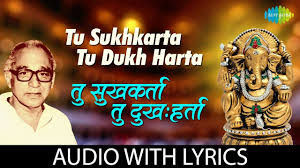
Introduction to "Tu Sukhkarta Tu Dukhharta"
Overview of the Aarti
"Tu Sukhkarta Tu Dukhharta" is a beloved Aarti dedicated to Lord Ganesha, the elephant-headed deity revered as the remover of obstacles and the harbinger of prosperity. This devotional hymn is commonly sung during prayer ceremonies, infusing the atmosphere with spirituality and devotion. The melodic verses resonate with worshippers, creating a deep connection to the divine.
Purpose and Meaning
The title itself, translating to "You who brings happiness, You who removes sorrow," sets the tone for the Aarti's purpose. It serves as a celebration of Ganesha’s ability to bring joy while alleviating troubles. Reciting this Aarti is a way for devotees to express gratitude and seek blessings, establishing a powerful rhythm of faith and devotion.
Significance of the Aarti in Hindu Worship
Role of Aarti in Rituals
Aarti is an integral part of Hindu worship, acting as a ceremonial offering of light to deities. It's usually performed at the end of a puja (prayer ceremony) and symbolizes the removal of darkness, both literally and metaphorically. When devotees circle a lamp in front of Ganesha's idol, it represents their acknowledgment of his divine presence, making it a highlight of the worship experience.
Spiritual Importance of Aarti
The spiritual importance of Aarti extends beyond mere ritual. It instills a sense of community among devotees, fostering unity and collective reverence. The rhythmic chanting of Aarti promotes mindfulness, helping individuals focus their intentions and aspirations, leading to a deeper spiritual connection. Plus, who doesn’t love a good sing-along when the mood is right?
Detailed Analysis of the Lyrics
Line-by-Line Breakdown
The lyrics of "Tu Sukhkarta Tu Dukhharta" are rich with meaning. Each line reverberates with the essence of Ganesha's qualities. For instance, praise for his capacity to ease life's burdens and bestow happiness is woven through the verses. An analysis reveals how the structure guides devotees in their prayer, making it easy to follow and connect with.
Interpretation of Key Themes
Key themes in the Aarti include gratitude, devotion, and the duality of joy and sorrow. The acknowledgment of life's ups and downs emphasizes the belief in Ganesha’s power to navigate these challenges. By reciting this Aarti, individuals embrace a mindset of hope and resilience, reflecting a profound understanding of life's journey through faith.
Historical Context and Origins of the Aarti
Historical Background
The origins of "Tu Sukhkarta Tu Dukhharta" can be traced back to centuries of Hindu tradition, with roots embedded in the worship of Ganesha. While its exact historical lineage remains somewhat murky—like a hot cup of chai—it's widely believed to have originated from the cultural amalgamation of various Indian spiritual practices, making it a cherished part of Hindu heritage.
Evolution of the Aarti Over Time
Over time, the Aarti has undergone various adaptations, shifting in melody and lyrical expression while retaining its core message. As generations embraced technology, recordings and adaptations sprang up, making it accessible to a wider audience. This evolution reflects the living tradition of Hindu worship, demonstrating how spirituality can adapt while staying true to its roots.
Thematic Elements in "Tu Sukhkarta Tu Dukhharta"
Expressions of Devotion
The “Tu Sukhkarta Tu Dukhharta” aarti serves as a heartfelt tribute to Lord Ganesha, embedding the essence of devotion within its lyrical structure. Each verse resonates with a deep yearning for connection, inviting devotees to express their love and reverence. The humble offering of aarti becomes a medium through which worshippers articulate their faith, making the divine presence feel tangible and personal. Whether sung in unison at a temple or recited softly in solitude, the emotions entwined in the lyrics foster a sacred atmosphere of devotion.
Contrasting Concepts of Joy and Sorrow
In a world where joy and sorrow coexist like two sides of the same coin, this aarti brilliantly encapsulates that duality. The lyrics oscillate between praise for the divine who alleviates pain and the acknowledgment of inevitable human suffering. By singing about Ganesha as the one who brings both happiness and comfort in times of distress, devotees reflect upon their own experiences with life's highs and lows. This contrast not only adds depth to the aarti but also emphasizes the belief that spirituality can be a refuge amidst earthly troubles, making it relatable to many.
Popularity and Cultural Impact
Influence on Devotional Practices
“Tu Sukhkarta Tu Dukhharta” has become a staple in Hindu devotional practices, often opening and closing puja sessions with gusto and reverence. Its melodic charm and profound lyrics have made it a beloved choice for congregational singing in temples and homes alike. As a cultural icon, it has played a significant role in shaping the aarti ritual, symbolizing unity among devotees and intertwining spiritual practices with community bonding. The song not only uplifts spirits but also reinforces a collective identity among worshippers.
Modern Adaptations and Performances
In today's tech-savvy world, the aarti has transcended traditional boundaries. From renditions by popular artists to vibrant performances at cultural festivals, “Tu Sukhkarta Tu Dukhharta” has found a place in contemporary music playlists. Social media platforms are replete with creative interpretations, ranging from rap versions to fusion genres, showcasing that even a timeless classic can embrace modernity. These adaptations breathe new life into the aarti, ensuring that it continues to resonate with younger generations while preserving its spiritual essence.
How to Perform the Aarti: Rituals and Practices
Materials Needed for Aarti
Preparing for an aarti requires a few essential items that create the perfect ambiance. Gather a small plate or diya filled with oil or ghee and a cotton wick (or two) for the lighting. You’ll also need incense sticks for that fragrant touch, a bell to signal the start, and flowers or prasad (offerings) to present before the deity. You might want to have a small bowl for water and a cloth to keep things tidy—because let's be honest, no one wants to deal with a mess during spiritual moments.
Step-by-Step Guide to Performing Aarti
1. Set the Stage: Find a clean and quiet space where you can perform the aarti peacefully. Place the idol or picture of Lord Ganesha prominently.
2. Light the Diya: Light the wick in the diya, allowing it to shine brightly.
3. Incense Time: Light the incense sticks and place them safely in a holder, filling the space with a soothing aroma that invites serenity.
4. Ring the Bell: As you prepare your heart and mind, give a gentle ring to the bell to signal the divine presence.
5. Recite the Aarti: With devotion in your heart, recite “Tu Sukhkarta Tu Dukhharta.” Feel the energy of the words flowing through you as you express your gratitude and seek blessings.
6. Circle the Diya: Gently rotate the diya in circular motions in front of the idol, which symbolizes the offer of light and love. Make sure you're not giving your hand any unwanted singe!
7. Conclude with Prasad: Finish your aarti by placing offerings and flowers at the feet of the deity, inviting the divine blessings to fill your home.
8. End on a High Note: Ring the bell again as a final dedication, ensuring the space around you is filled with positivity and spiritual vibrance.
Conclusion and Reflection on Devotional Music
Personal Reflections on the Aarti
Performing “Tu Sukhkarta Tu Dukhharta” is more than just a ritual—it's a moment of personal reflection and connection. It encapsulates a time when worries fade, and devotion takes center stage. The aarti inspires a sense of peace within, reminding us that surrendering our troubles to a higher power can be both liberating and comforting. Each performance is a unique experience, reaffirming one’s faith, and often leading to an unspoken bond among those who partake in the ritual.
The Role of Music in Spiritual Life
Music, especially in the context of devotional practices, plays a pivotal role in shaping our spiritual journey. It has the power to evoke emotions, convey messages of hope, and unite hearts in worship. Through melodies like “Tu Sukhkarta Tu Dukhharta,” spiritual lessons are woven into the fabric of everyday life, making them more accessible and engaging. Whether it uplifts our spirits or calms our minds, music serves as a bridge between the mundane world and the divine, acting as a reminder that in the rhythm of life, faith and devotion can harmonize beautifully.In conclusion, "Tu Sukhkarta Tu Dukhharta" stands as a testament to the power of devotion and the transformative nature of prayer in Hindu culture. Its lyrical beauty and heartfelt messages resonate with the devotees, providing comfort and solace in times of need. As we reflect on the significance of this Aarti, it becomes clear that such devotional hymns not only enhance our spiritual practices but also foster a sense of community and connection among worshippers. Embracing the teachings embodied in this Aarti can inspire us to seek peace and joy in our own lives, making it a timeless treasure in the realm of devotional music.
Frequently Asked Questions
What is the meaning of "Tu Sukhkarta Tu Dukhharta"?
The phrase translates to "You are the one who brings happiness and removes sorrow," reflecting the Aarti's essence as a prayer for protection and blessings from Lord Ganesha.
When is "Tu Sukhkarta Tu Dukhharta" typically performed?
This Aarti is commonly performed during daily worship, special festivals, and ceremonies dedicated to Lord Ganesha, especially during Ganesh Chaturthi.
What are the main themes in the lyrics of "Tu Sukhkarta Tu Dukhharta"?
The lyrics focus on themes of devotion, the duality of joy and sorrow, and the divine intervention of Lord Ganesha in the lives of devotees, emphasizing his role as a remover of obstacles.
Can anyone perform the Aarti, or is it only for priests?
Anyone can perform the Aarti, as it is a personal expression of devotion. It is commonly practiced by individuals and families in their homes, as well as in temples.


Comments