
chitragupta aarti
Chitragupta, a significant figure in Hindu mythology, serves as the divine accountant of human deeds, meticulously recording the actions of every individual. Revered as the son of Lord Brahma and a key deity in the afterlife, Chitragupta plays a crucial role in the concept of karma, determining the fate of souls based on their earthly actions. One of the most heartfelt ways to honor Chitragupta is through the ritual of Aarti, a devotional practice that involves offering light to the deity while singing praises. This article delves into the rich tradition of Chitragupta Aarti, exploring its significance, rituals, and the profound benefits it offers to devotees, as well as providing insights into how one can perform this sacred ceremony at home.
गवान श्री चित्रगुप्त जी की आरती
ॐ जय चित्रगुप्त हरे,
स्वामीजय चित्रगुप्त हरे ।
भक्तजनों के इच्छित,
फलको पूर्ण करे॥
Advertisement: 0:10
विघ्न विनाशक मंगलकर्ता,
सन्तनसुखदायी ।
भक्तों के प्रतिपालक,
त्रिभुवनयश छायी ॥
ॐ जय चित्रगुप्त हरे...॥
रूप चतुर्भुज, श्यामल मूरत,
पीताम्बरराजै ।
मातु इरावती, दक्षिणा,
वामअंग साजै ॥
ॐ जय चित्रगुप्त हरे...॥
कष्ट निवारक, दुष्ट संहारक,
प्रभुअंतर्यामी ।
सृष्टि सम्हारन, जन दु:ख हारन,
प्रकटभये स्वामी ॥
ॐ जय चित्रगुप्त हरे...॥
कलम, दवात, शंख, पत्रिका,
करमें अति सोहै ।
वैजयन्ती वनमाला,
त्रिभुवनमन मोहै ॥
ॐ जय चित्रगुप्त हरे...॥
विश्व न्याय का कार्य सम्भाला,
ब्रम्हाहर्षाये ।
कोटि कोटि देवता तुम्हारे,
चरणनमें धाये ॥
ॐ जय चित्रगुप्त हरे...॥
नृप सुदास अरू भीष्म पितामह,
यादतुम्हें कीन्हा ।
वेग, विलम्ब न कीन्हौं,
इच्छितफल दीन्हा ॥
ॐ जय चित्रगुप्त हरे...॥
दारा, सुत, भगिनी,
सबअपने स्वास्थ के कर्ता ।
जाऊँ कहाँ शरण में किसकी,
तुमतज मैं भर्ता ॥
ॐ जय चित्रगुप्त हरे...॥
बन्धु, पिता तुम स्वामी,
शरणगहूँ किसकी ।
तुम बिन और न दूजा,
आसकरूँ जिसकी ॥
ॐ जय चित्रगुप्त हरे...॥
जो जन चित्रगुप्त जी की आरती,
प्रेम सहित गावैं ।
चौरासी से निश्चित छूटैं,
इच्छित फल पावैं ॥
ॐ जय चित्रगुप्त हरे...॥
न्यायाधीश बैंकुंठ निवासी,
पापपुण्य लिखते ।
'नानक' शरण तिहारे,
आसन दूजी करते ॥
ॐ जय चित्रगुप्त हरे,
स्वामीजय चित्रगुप्त हरे ।
भक्तजनों के इच्छित,
फलको पूर्ण करे
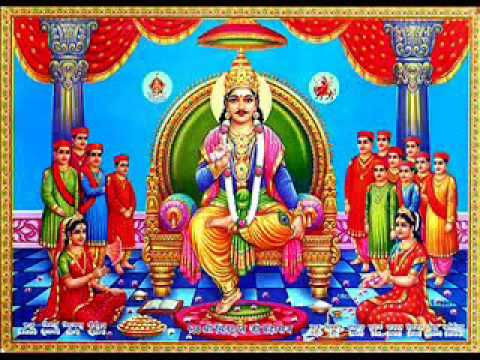
Overview of Chitragupta in Hindu Mythology
Mythological Background
Chitragupta, often overshadowed by the more famous deities, holds a unique position in Hindu mythology as the celestial accountant of the afterlife. Created by Lord Brahma, he keeps meticulous records of the deeds of all human beings. Think of him as the cosmic accountant with an endless ledger, deciding who gets a ticket to heaven and who’s stuck in the waiting room of reincarnation. His role is essential yet often goes unnoticed, as he ensures divine justice with a balance as delicate as a tightrope walker on a windy day.
Chitragupta's Family and Companions
Chitragupta isn’t flying solo in his divine duties. He is often depicted alongside his consort, the goddess of justice, and various assistants who help him manage the enormous flow of souls. If you picture a bustling office filled with clerks and interns, you’re on the right track! His family plays a vital role in the underworld bureaucracy, ensuring everything is in check while dining on divine snacks (though we suspect it might be just ambrosia and nectar).
Portrayal in Texts and Scriptures
Chitragupta appears in a variety of texts, from the ancient Puranas to modern retellings. Each script adds a layer to his character, portraying him as a diligent figure with an air of solemnity. While you may not find him lounging on a mountaintop like other gods, his presence looms large in scriptures, emphasizing the importance of moral conduct and accountability. Most notably, he’s often depicted with a pen and a book, and let’s be honest, who wouldn’t want to know what his to-do list looks like?
Significance of Aarti in Religious Practices
Understanding Aarti as a Devotional Practice
Aarti is much more than just a ritual; it’s a heartfelt offering to the divine, a way for devotees to express their love and gratitude. During this ceremony, a light (usually from a lamp or candle) is offered to the deity, illuminating the darkness and symbolizing the removal of ignorance. It’s like the divine version of turning on the lights at a party—it brightens the environment and gets everyone in the mood to celebrate!
The Symbolism Behind Aarti
Every element of Aarti is steeped in meaning. The light represents knowledge, while the act of circling the lamp around the deity signifies devotion and the desire for divine blessings. It’s a beautiful metaphor for life: we circle around our goals, lighting the way with love and faith. Plus, it’s a reminder that while we may shine in our own glory, it’s always nice to have a little divine light guiding us along!
Aarti in Different Hindu Traditions
Aarti isn’t a one-size-fits-all practice; it varies across different Hindu traditions and regions. Some communities might add a touch of drama with traditional instruments, while others keep it simple with just a bell and a prayer. Regardless, the essence remains the same: connecting with the divine and seeking blessings. It’s like a cultural buffet—everyone has their favorite dish, but they all serve up a plate of devotion.
Rituals and Offerings During Chitragupta Aarti
Preparation for the Aarti Ceremony
Preparing for the Chitragupta Aarti is akin to getting ready for a grand feast. You gather flowers, incense, and, of course, a beautifully decorated lamp. Families often clean their homes, creating a sanctified space that’s fit for the cosmic accountant himself. It’s a time for reflection and gathering with loved ones—a communal burst of energy that says, “Let’s make this divine connection happen!”
Common Offerings and Their Meanings
During the Chitragupta Aarti, devotees typically make various offerings. Flowers symbolize purity, incense represents the fragrant hopes of devotees, and sweets? Well, those are just a delightful way to sweeten the deal with the divine! Each offering carries its own significance, and together, they form a beautiful tapestry of love, respect, and devotion—kind of like the ultimate gift basket for the gods.
The Role of Devotees in the Ceremony
Devotees play a crucial role in the Aarti ceremony, not just as passive observers but as active participants. They chant prayers, sing hymns, and sway to the rhythm of the moment, creating an atmosphere of joy and reverence. It's a community event, where everyone pitches in, and just like at any good gathering, the more, the merrier! The collective energy enhances the sanctity of the ritual, reminding us all that devotion is best shared.
The Lyrics and Meaning of Chitragupta Aarti
Translation and Interpretation of the Lyrics
The lyrics of the Chitragupta Aarti encapsulate profound reverence for the deity. They typically invoke blessings for justice, accountability, and peace. Translating these lyrics offers insights into their poetic beauty and deep philosophical meanings, often emphasizing moral integrity and the importance of leading a righteous life. You can almost hear echoes of “be good, do good” resonating through the verses!
Key Themes in the Aarti
Key themes in the Chitragupta Aarti include justice, wisdom, and divine guidance. It emphasizes the importance of being true to oneself and others, reminding us that our actions have consequences—kind of like how every cookie you eat during a diet has an impact, just in a more cosmic sense! These themes serve as gentle nudges for devotees to reflect on their lives and strive for higher ideals.
Musical Aspects and Variations
The Chitragupta Aarti is often sung in various tunes, each adding a unique flavor to the ritual. From melodious renditions that stir the soul to more upbeat versions that get everyone clapping, the musical aspect is a joy in itself. The rhythm and melody transform the ceremony into an experience that feels both personal and communal, uniting hearts and voices in a delightful chorus of devotion. Now, that’s what we call a heavenly jam session!
Benefits of Performing Chitragupta Aarti
Spiritual and Emotional Benefits
Performing Chitragupta Aarti is like giving your soul a much-needed spa day. It offers spiritual upliftment, helping you connect with the divine while washing away the mental grime that builds up from daily life. Many devotees report a sense of inner peace and emotional stability after the Aarti, akin to finally finding that elusive pair of socks you thought you lost forever.
Community and Family Bonding
Gathering to perform Chitragupta Aarti can turn a simple evening into a heartfelt family reunion. It fosters a sense of community, bringing together loved ones to share in the prayers and blessings. It’s a perfect excuse to bond over shared devotions, snacks, and maybe a little friendly debate over who gets to light the diya first.
Personal Growth and Reflection
The Aarti is not just about flickering flames and melodious chants; it’s also a gateway to personal reflection. It encourages individuals to contemplate their actions and decisions, nudging them toward self-improvement. Think of it as a gentle reminder to keep your karma in check — and perhaps to avoid that extra slice of cake you promised you wouldn’t have!
Chitragupta's Role in the Concept of Karma
Understanding Karma in Hindu Philosophy
In Hindu philosophy, karma is the cosmic scoreboard keeping track of your actions, thoughts, and intentions. Every good deed adds points to your spiritual credit card, while not-so-great actions can land you in the red. Chitragupta, as the guardian of these records, keeps everything in check, ensuring that no action goes unnoticed or unaccounted for—so yes, karma is way less forgiving than your high school teachers.
Chitragupta as the Keeper of Records
Chitragupta’s role as the meticulous record-keeper is crucial to the karma concept. Picture him as the ultimate accountant—one who doesn’t just balance the books but also serves up a side of cosmic justice. He tracks every choice and deed, ensuring that everyone gets what they deserve: rewards for the virtuous and lessons for the naughty.
The Implications of Karma in Daily Life
Understanding Chitragupta's role in karma gives a whole new meaning to “what goes around comes around.” The implications of karma influence our daily decisions, from choosing kindness over snark to deciding whether to help an elderly neighbor or sprint past them. Remember, your actions today write the script for tomorrow’s adventures—so make it a blockbuster, not a B-movie.
Celebrations and Festivals Related to Chitragupta
Major Festivals Honoring Chitragupta
Chitragupta Jayanti, celebrated with much fervor, is like Chitragupta's birthday bash! Devotees gather to honor him, ensuring he knows just how much they appreciate his record-keeping skills. The festival is filled with colorful decorations, delicious food, and plenty of singing—because what’s a celebration without a little karaoke?
Regional Variations in Celebrations
Across India, the way Chitragupta is celebrated varies from region to region, like how everyone has their unique family recipe for biryani. Some communities emphasize grand processions, while others focus on intimate family prayers or community feasts. No matter the method, the underlying theme remains consistent: love, respect, and a sprinkle of yummy sweets.
Significant Rituals During Festivals
During Chitragupta Jayanti, devotees perform rituals that include offerings of sweets and fruits, lighting lamps, and reciting prayers. These rituals not only honor Chitragupta but also serve to remind everyone of the importance of good actions and intentions. It's like a divine reminder to keep your heart and record clean!
How to Perform Chitragupta Aarti at Home
Essential Items Needed for Aarti
To perform Chitragupta Aarti at home, gather a few key items: a diya (lamp), some ghee or oil, cotton wicks, flowers, incense sticks, and of course, the Aarti plate (which could simply be your favorite platter if you're feeling fancy). Don’t forget a sprinkle of devotion—it's the secret ingredient!
Step-by-Step Guide to Performing the Aarti
1. Light the diya and arrange your Aarti plate with flowers and offerings.
2. Find a comfortable and quiet space for your ceremony—perhaps away from the cat who thinks it’s time for dinner.
3. Chant the Aarti prayers with sincerity, waving the diya in a circular motion in front of Chitragupta’s image or idol.
4. Offer the Aarti to Chitragupta, and don’t forget to take a moment to soak in the divine energy.
5. Finally, share some prasad (offering) with your family or keep it for yourself—no judgment here!
Creating a Sacred Space for Aarti
Setting the scene is crucial! Choose a clean and peaceful spot in your home, preferably where you won’t be interrupted by Netflix or doorbell rings. Decorate the area with flowers, lights, and a few lovely images of Chitragupta. This space should feel uplifting and calm, a little sanctuary where you can connect with the divine without the usual chaos of life.In conclusion, Chitragupta Aarti stands as a meaningful expression of devotion and reverence, connecting individuals to the divine while reinforcing the importance of karma in their lives. Whether performed in a temple or at home, this sacred ritual invites blessings, promotes spiritual growth, and fosters a sense of community among devotees. By embracing the practices surrounding Chitragupta Aarti, individuals can deepen their understanding of their actions and their consequences, ultimately leading to a more mindful and fulfilling life.
Frequently Asked Questions
What is the significance of Chitragupta in Hinduism?
Chitragupta is regarded as the deity who records the deeds of individuals, playing a vital role in the administration of karma and the afterlife, ensuring that justice is served based on one's actions.
How often should Chitragupta Aarti be performed?
Chitragupta Aarti can be performed regularly, especially on significant days such as Chitragupta Jayanti or during festivals dedicated to him. It can also be part of daily worship for devotees seeking his blessings.
What are the essential items needed to perform Chitragupta Aarti at home?
Essential items include a diya (lamp), incense sticks, flowers, a bell, and the Aarti thali, which holds the diya and offerings. Additionally, a clean and sacred space is important for the ritual.
Can anyone perform Chitragupta Aarti, or is it restricted to certain individuals?
Anyone can perform Chitragupta Aarti, regardless of their background or religious status, as long as they approach the ritual with sincerity and devotion. It is a practice accessible to all who wish to honor Chitragupta.


Comments