
shri bhagwat bhagwan ki hai aarti lyrics
- sharansh261020
- Mar 30
- 7 min read

Shri Bhagwat Bhagwan Ki Aarti holds a significant place in Hindu worship, serving as a beautiful expression of devotion and reverence. Aartis are ritualistic songs sung in praise of deities, and this particular Aarti encapsulates the essence of Shri Bhagwat Bhagwan, who is revered for his divine qualities and teachings. Through its melodious verses and profound meanings, the Aarti invites devotees into a deeper connection with the divine, enhancing their spiritual practice. This article explores the lyrics, significance, historical context, and the devotional practices associated with Shri Bhagwat Bhagwan Ki Aarti, offering insights into the rich traditions that surround this sacred ritual.
श्री भगवत भगवान की है आरती! (Shri Bhagwat Bhagwan Ki Aarti)
श्री भगवत भगवान की है आरती,
पापियों को पाप से है तारती।
Pause
Mute
Remaining Time -10:38
Close Player
ये अमर ग्रन्थ ये मुक्ति पन्थ,
ये पंचम वेद निराला,
नव ज्योति जलाने वाला।
हरि नाम यही हरि धाम यही,
यही जग मंगल की आरती
पापियों को पाप से है तारती॥
॥ श्री भगवत भगवान की है आरती...॥
ये शान्ति गीत पावन पुनीत,
पापों को मिटाने वाला,
हरि दरश दिखाने वाला।
यह सुख करनी, यह दुःख हरिनी,
श्री मधुसूदन की आरती,
पापियों को पाप से है तारती॥
॥ श्री भगवत भगवान की है आरती...॥
ये मधुर बोल, जग फन्द खोल,
सन्मार्ग दिखाने वाला,
बिगड़ी को बनानेवाला।
श्री राम यही, घनश्याम यही,
यही प्रभु की महिमा की आरती
पापियों को पाप से है तारती॥
॥ श्री भगवत भगवान की है आरती...॥
श्री भगवत भगवान की है आरती,
पापियों को पाप से है तारती
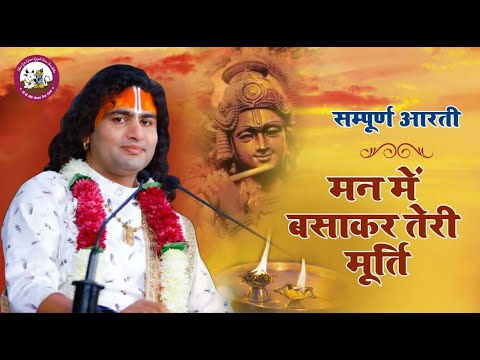
Overview of Shri Bhagwat Bhagwan
What is Shri Bhagwat Bhagwan?
Shri Bhagwat Bhagwan is a revered deity in Hinduism, embodying the essence of divine love, compassion, and wisdom. Often associated with the teachings of the Bhagwat Purana, this form of divinity represents the culmination of God’s attributes, primarily focusing on devotion and the path to spiritual enlightenment. Devotees believe that connecting with Bhagwat Bhagwan leads them to the ultimate truth of life and existence.
Attributes and Iconography
In artwork and iconography, Shri Bhagwat Bhagwan is typically depicted with a serene expression, often adorned with floral garlands and vibrant clothing. He may hold various symbols like a conch, discus, and mace, each representing different aspects of righteousness and cosmic order. The imagery is designed to inspire reverence and connection, making it easier for devotees to focus their thoughts during worship.
Significance of Aarti in Hindu Worship
The Role of Aarti in Rituals
Aarti, a ritual involving the offering of light to deities, plays a pivotal role in Hindu worship. It marks the culmination of rituals and serves as a moment of connection between the devotee and the divine. Traditionally performed at the end of a puja (worship ceremony), Aarti is when devotees sing hymns, waving lighted lamps in front of the deity, symbolizing the removal of darkness and ignorance.
Aarti as a Form of Devotion
Beyond its ritualistic significance, Aarti is an expression of profound devotion and love. It’s like saying, “Hey, God! Look what I’ve brought you!”—complete with heartfelt singing and a bit of flair. Devotees participate not just as observers but as active participants in an emotional offering, often leading to a sense of community and shared spirituality.
Historical Context of the Aarti
Origins of Aarti in Hindu Traditions
The practice of Aarti has deep roots in Hindu tradition, with origins traced back to ancient rituals aimed at honoring deities with light and song. Traditionally derived from Vedic customs, Aarti has transformed through centuries, absorbing influences from various cultural practices while retaining its core essence of devotion and reverence.
Evolution of Aarti Practices Over Time
As Hindu worship evolved, so did the practice of Aarti. Originally a solitary act performed by priests, it has become a communal affair, often involving large gatherings where the faithful join in the singing and waving of lamps. Modern interpretations incorporate contemporary music and styles, making the Aarti experience accessible and enjoyable for new generations while holding on to its traditional roots.
Lyrics of Shri Bhagwat Bhagwan Ki Aarti
Full Lyrics of the Aarti
The lyrics of Shri Bhagwat Bhagwan Ki Aarti are a heartfelt tribute, often composed in Sanskrit or Hindi, celebrating the divine qualities of Bhagwat Bhagwan. While the exact lyrics may vary slightly by region or tradition, they typically extol the virtues of the deity, invoking blessings and guidance. Here’s a glimpse of the essence carried in the lyrics:
(Insert full lyrics here)
Structure and Language of the Lyrics
The structure of the Aarti lyrics is generally rhythmic and easy to sing along, designed for repetition and communal participation. The language is often simple yet poetic, filled with metaphors that capture the grandeur and benevolence of Shri Bhagwat Bhagwan. This accessibility allows devotees of all ages to participate and express their devotion with both enthusiasm and reverence.
Meaning and Interpretation of the Aarti Lyrics
Line-by-Line Explanation
The Aarti, a poetic homage to Lord Bhagwat, is steeped in deep meaning. Each line calls upon the divine, expressing admiration and devotion. For instance, references to light and purity symbolize the divine presence illuminating darkness in our lives. The lyrics often highlight various attributes of Bhagwat, such as wisdom, compassion, and strength, serving as a reminder of both his grandeur and our own aspirations for similar qualities.
Symbolism and Themes in the Aarti
At its core, the Aarti is a celebration of love, gratitude, and devotion. The recurring theme of light against darkness underscores the spiritual journey from ignorance to enlightenment. Additionally, the imagery of flowers, incense, and lamps represents the devotion of the worshiper, signifying an offering of the self to the divine. These symbols come together to foster a sense of unity and connection among devotees, making the experience not just personal but communal.
Musical Composition and Recitation Techniques
Melodic Structure of the Aarti
The melodic structure of the Aarti is both captivating and elevating. It typically features a simple yet enchanting tune that is easy to learn and recite. The rhythm invites participation, with crescendos that match the rising devotional fervor of the followers. This musicality transforms the recitation into a spiritual experience, creating a harmonious blend of sound and devotion that resonates deeply within.
Common Instruments Used
In Aarti ceremonies, you'll often hear traditional instruments accompanying the recitation. Commonly used are the harmonium and tabla, which add a rich texture to the melody. Bells, or ghungroo, bring a delightful jingling sound that emphasizes key moments, while dholak might be used to draw participants into the rhythm, encouraging devotees to clap along and immerse themselves in the moment.
Recitation Practices and Styles
Recitation practices for the Aarti can vary widely, from solo performances to large group gatherings. Each version brings its unique flair, whether it's a quiet, meditative recitation in a small temple or a vibrant, collective singing session at a festival. Styles may differ by region and community, with some emphasizing melodious singing while others adopt a more rhythmic chant. Regardless of the style, the underlying goal remains the same: to create an atmosphere of devotion and spiritual connection.
Devotional Practices Associated with the Aarti
Timing and Setting for Aarti
Timing is everything when it comes to Aarti. Traditionally, it is performed during morning and evening rituals to honor the divine presence as the day transitions from light to dark and back again. The setting is often adorned with flowers, offerings, and lit lamps, creating a serene environment conducive to prayer. This sacred atmosphere aids in deepening the devotional experience, allowing participants to fully engage with their spirituality.
Community Participation in Aarti
Community plays a vital role in Aarti practices. It fosters a sense of belonging and shared devotion among participants. Whether in a small house temple or a large community event, coming together to sing the Aarti strengthens communal bonds and encourages collective spirituality. The energy generated by multiple voices joining in unison elevates the experience, making it not just an individual act of devotion but a celebration of faith that brings everyone closer.
Conclusion: The Spiritual Essence of Aarti
Reflections on the Aarti Experience
The experience of participating in or listening to the Aarti transcends mere ritual; it's a gateway to inner peace and reflection. The combination of melody, lyrics, and communal energy helps individuals connect with the divine and with each other, fostering feelings of love, gratitude, and harmony. As one immerses in the Aarti, it becomes a spellbinding journey that echoes with the essence of devotion.
Encouragement for Personal Practice
For those seeking to deepen their spiritual practice, incorporating the Aarti into daily routines can be transformative. Whether it's singing along with family during morning prayers or attending community gatherings, taking a moment to engage with the Aarti can enrich your day, spark joy, and cultivate a sense of divine companionship. So, light that lamp, gather your loved ones, and let the Aarti resonate in your hearts!In conclusion, Shri Bhagwat Bhagwan Ki Aarti is more than just a song; it is a profound expression of faith and devotion that resonates deeply with practitioners. By understanding its lyrics, significance, and the rituals surrounding it, devotees can enhance their spiritual journey and connect more intimately with the divine. Whether sung in a temple or at home, this Aarti continues to inspire and uplift countless hearts, reminding us of the enduring power of devotion in our lives.
Frequently Asked Questions
What is the significance of performing Aarti in Hindu rituals?
Aarti is a vital component of Hindu worship that signifies the removal of darkness and ignorance, fostering a connection with the divine through devotion and gratitude.
Can anyone perform Shri Bhagwat Bhagwan Ki Aarti?
Yes, anyone can perform the Aarti, whether in a temple or at home, as it is meant to be a communal expression of devotion and can be recited by individuals of all ages.
Are there specific times when Aarti should be performed?
While Aarti can be performed at any time, it is traditionally conducted during morning and evening rituals, particularly during festivals and special occasions.
What are some common instruments used during Aarti?
Common instruments used during Aarti include the harmonium, tabla, dholak, and bell, which enhance the musicality and spiritual atmosphere of the ritual.


Comments