
m aarti teri gau lyrics
"M Aarti Teri Gau" is a revered devotional hymn that holds a special place in the hearts of many, particularly among followers of Hinduism. This Aarti, dedicated to the divine, encapsulates themes of reverence, nature, and cultural heritage, making it a powerful expression of devotion. Often sung during worship ceremonies, it serves as a medium through which devotees express their love and gratitude to the divine. The lyrics are rich with meaning, reflecting deep spiritual insights and an appreciation for the environment. As we explore the significance, themes, and musical composition of "M Aarti Teri Gau," we gain a deeper understanding of its impact on both individual spirituality and the broader cultural landscape.
"M Aarti Teri Gau" is a revered devotional hymn that holds a special place in the hearts of many, particularly among followers of Hinduism. This Aarti, dedicated to the divine, encapsulates themes of reverence, nature, and cultural heritage, making it a powerful expression of devotion. Often sung during worship ceremonies, it serves as a medium through which devotees express their love and gratitude to the divine. The lyrics are rich with meaning, reflecting deep spiritual insights and an appreciation for the environment. As we explore the significance, themes, and musical composition of "M Aarti Teri Gau," we gain a deeper understanding of its impact on both individual spirituality and the broader cultural landscape.
"M Aarti Teri Gau" is a revered devotional hymn that holds a special place in the hearts of many, particularly among followers of Hinduism. This Aarti, dedicated to the divine, encapsulates themes of reverence, nature, and cultural heritage, making it a powerful expression of devotion. Often sung during worship ceremonies, it serves as a medium through which devotees express their love and gratitude to the divine. The lyrics are rich with meaning, reflecting deep spiritual insights and an appreciation for the environment. As we explore the significance, themes, and musical composition of "M Aarti Teri Gau," we gain a deeper understanding of its impact on both individual spirituality and the broader cultural landscape.
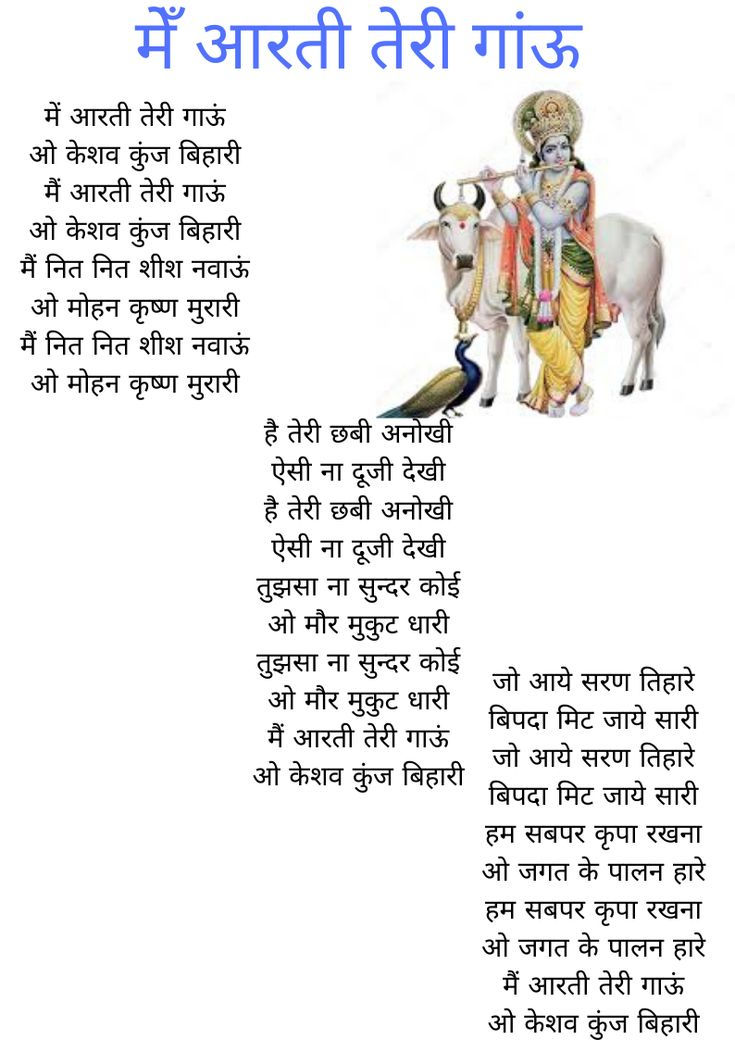
मैं आरती तेरी गाऊं
ओ केशव कुंज बिहारी
मैं आरती तेरी गाऊं
ओ केशव कुंज बिहारी
मैं नित नित शीश नवाऊं
ओ मोहन कृष्ण मुरारी
मैं नित नित शीश नवाऊं
ओ मोहन कृष्ण मुरारी
है तेरी छबी अनोखी
ऐसी ना दूजी देखी
है तेरी छबी अनोखी
ऐसी ना दूजी देखी
तुझसा ना सुन्दर कोई
ओ मौर मुकुट धारी
तुझसा ना सुन्दर कोई
ओ मौर मुकुट धारी
मैं आरती तेरी गाऊं
ओ केशव कुंज बिहारी
जो आये सरण तिहारे
बिपदा मिट जाये सारी
जो आये सरण तिहारे
बिपदा मिट जाये सारी
हम सबपर कृपा रखना
ओ जगत के पालन हारे
हम सबपर कृपा रखना
ओ जगत के पालन हारे
मैं आरती तेरी गाऊं
ओ केशव कुंज बिहारी
Overview of "M Aarti Teri Gau"
Historical Context
"M Aarti Teri Gau" is a devotional song dedicated to the divine representation of the Earth, often referred to in the form of a cow, which holds a special place in Hindu culture. Historically, this aarti reflects a deep-rooted respect for nature and embodies the agricultural lifestyle that has been a cornerstone of Indian civilization for centuries. Originating from traditional folk tunes, it captures the essence of village life and the bond between humans and nature, celebrating the sentiments of gratitude towards the Mother Earth.
Purpose and Use in Worship
The primary purpose of "M Aarti Teri Gau" is to express devotion and reverence in worship. Typically performed during religious ceremonies and festivals, this aarti is sung to invoke blessings and express thankfulness for the bounty of nature. Participants often gather around a sacred fire or altar, where the aarti is recited, fostering a sense of community and devotion. Its rhythmic and melodic structure facilitates a participatory experience, allowing worshippers to connect spiritually while honoring the divine essence of the Earth.
Significance of the Aarti in Hindu Tradition
Role in Rituals and Ceremonies
In Hindu traditions, aartis play a pivotal role in rituals and ceremonies, serving as a vocal offering of praise to deities. "M Aarti Teri Gau" is no exception; it enhances the spiritual atmosphere during pujas (worship rituals) by creating an ambiance filled with devotion. The act of performing the aarti, often accompanied by the lighting of oil lamps, symbolizes dispelling darkness and invoking divine light, making it an essential practice during festivals and special occasions.
Spiritual Importance
The spiritual importance of "M Aarti Teri Gau" transcends mere words; it embodies an invocation of peace and harmony within the universe. This aarti not only seeks blessings but also serves as a reminder of our connection to the Earth and nature. It encourages listeners to cultivate a sense of stewardship towards their environment, reinforcing the holistic view that all living beings, including the Earth, are interconnected and deserving of respect and care.
Themes and Messages in the Lyrics
Devotion and Reverence
At its core, "M Aarti Teri Gau" is a celebration of devotion. The lyrics convey a heartfelt sense of reverence towards the Earth, portrayed as a nurturing mother. This theme of devotion permeates throughout the song, inviting listeners to recognize the divine within nature and express gratitude for its sustenance and beauty. It's a gentle reminder that acknowledging the Earth’s gifts is a form of spiritual practice.
Nature and Environment
The lyrics of "M Aarti Teri Gau" shine a spotlight on the beauty and sanctity of nature. They reflect the belief that the Earth is a living entity worthy of love and protection. Through vivid imagery of landscapes, animals, and natural phenomena, the aarti emphasizes the importance of environmental stewardship. It encourages a symbiotic relationship with nature, urging followers to cherish and preserve the world around them.
Cultural Identity and Heritage
"M Aarti Teri Gau" is not just a song; it's a vessel of cultural identity and heritage. The aarti resonates with the values and traditions that have been passed down through generations. By performing this aarti, individuals connect with their roots and reinforce the importance of community and shared beliefs. It acts as a cultural anchor, reminding people of their responsibilities towards both their heritage and the environment.
Breakdown of the Lyrics
Verse-by-Verse Analysis
The lyrics of "M Aarti Teri Gau" unfold in a poetic format that reflects the beauty of the Earth. Each verse serves to highlight different aspects of nature's bounty, from fertile lands to the gentle animals that graze upon them. The repetitive structure allows for easy memorization and encourages participation during worship, making it accessible to all ages. Analyzing each verse, one can find layers of meaning that reveal the interconnectedness of spirituality, nature, and community.
Key Phrases and Their Meanings
Throughout the aarti, key phrases resonate with deep significance. For instance, references to the "Mother" embody the notion of nurturing and care, while mentions of "light" symbolize enlightenment and purity. Other expressions highlight the importance of harmony with the natural world, conveying messages of respect and gratitude. By understanding these key phrases, one can appreciate the aarti’s overarching themes of devotion, environmental consciousness, and cultural pride, enriching the experience of both the performer and the listener.
Musical Composition and Style
Instrumentation and Arrangement
The composition of "M Aarti Teri Gau" is a delightful tapestry woven with traditional instrumentation. The melodious union of harmonium, tabla, and dholak creates a vibrant soundscape that draws listeners into a blissful reverie. Often, the arrangement features a blend of rich, folk-inspired melodies alongside classical nuances, providing an uplifting atmosphere perfect for devotional settings. You might even find an occasional flute joining the party, adding that whimsical touch that makes you want to dance like no one’s watching (but they probably are!).
Vocal Techniques and Styles
Vocal delivery in "M Aarti Teri Gau" is as essential as the lyrics themselves. Singers often employ a blend of soft, sweeping notes intertwined with passionate crescendos, channeling deep devotion. Techniques like bhakti-inspired vocal runs and emotional inflections enhance the spiritual experience, making the listener feel like they’re soaring through the heavens on a cloud of divine sound. Whether sung in a gentle whisper or a powerful proclamation, the voice becomes a conduit for devotion, allowing for a rich emotional connection that resonates long after the last note fades.
Cultural Impact and Popularity
Global Reach and Adaptations
Originally rooted in the Indian spiritual landscape, "M Aarti Teri Gau" has transcended geographical boundaries, finding its way into the hearts of listeners around the world. Adaptations in various languages and styles have sprung up, reflecting regional flavors and personal touches. From orchestral renditions to jazzy adaptations, this aarti has taken on new forms that celebrate diverse cultural expressions while honoring its sacred origins. It’s like the remix that everyone loves, ensuring that the devotion never goes out of style.
Influence on Contemporary Art and Media
In the digital age, the influence of "M Aarti Teri Gau" can be seen in contemporary art and media. From viral YouTube covers to dance performances that blend traditional and modern styles, its essence is woven into diverse creative outlets. Artists often use the aarti in visual storytelling—a powerful backdrop in films and documentaries highlighting spiritual journeys. It represents more than just music; it’s a cultural touchstone that resonates with the inherent desire for connection, spirituality, and community across various platforms.
Variations and Renditions of the Aarti
Different Artists and Versions
Numerous artists have embraced "M Aarti Teri Gau," each bringing unique interpretations that showcase their musical flair. From renowned classical vocalists to contemporary musicians, these renditions offer fresh perspectives while maintaining the heart of the original. Some artists infuse modern instrumentation, while others focus on vocal purity, creating an array of versions that cater to diverse audiences. It’s almost like a musical buffet—whatever your taste, there’s likely a version for you to devour.
Regional Variations and Dialects
As with many beloved songs, regional variations of "M Aarti Teri Gau" have blossomed across India. Each community adds its linguistic flavor, ensuring the aarti resonates with local traditions and dialects. Whether it’s sung in Hindi, Bengali, or Tamil, each variation carries the same spirit of reverence but offers a distinct sonic experience. This linguistic diversity enriches the song’s cultural tapestry, allowing it to flourish in the hearts of various communities while staying true to its spiritual roots.
Conclusion and Reflections on Its Meaning
Personal Interpretations and Experiences
For many, "M Aarti Teri Gau" is more than just a song; it’s a personal invocation. Each listener may find their own meaning within the lyrics, recalling cherished memories of family gatherings, temple visits, or quiet moments of reflection. The beauty lies in its ability to evoke emotions and memories, creating a space for individual interpretations while uniting devotees through shared experiences. It’s like a comforting hug from a friend—you can always return to it, and it just feels right.
Future of the Aarti in Modern Worship
As worship evolves in contemporary society, "M Aarti Teri Gau" is likely to remain a cherished piece of spiritual culture. Its adaptability to modern contexts suggests it will continue to find relevance in future expressions of devotion. With a growing interest in spiritual practices that blend tradition and modernity, we may see even more creative interpretations emerging. One thing is for sure: the aarti isn’t going anywhere anytime soon—it will continue to inspire, uplift, and unite seekers on their spiritual journeys for years to come.In conclusion, "M Aarti Teri Gau" stands as a timeless testament to the beauty of devotion and the connection between spirituality and nature. Its lyrical depth and musical richness continue to inspire and uplift countless individuals, fostering a sense of community and shared cultural identity. As this Aarti finds new expressions and adaptations, it remains a cherished part of worship, resonating with both tradition and contemporary values. Through understanding and celebrating such hymns, we not only honor our spiritual heritage but also enrich our lives with their profound messages.
FAQ
What is the meaning of "M Aarti Teri Gau"?
The title translates to "Ode to Your Cow," reflecting reverence towards the divine and nature, particularly the sacredness of cows in Hindu culture.
When is "M Aarti Teri Gau" typically sung?
This Aarti is often sung during religious ceremonies, worship sessions, and festivals, especially those celebrating the divine and nature.
Who are some notable artists that have performed "M Aarti Teri Gau"?
Several artists, including traditional singers and modern musicians, have performed various renditions of this Aarti, each bringing their unique style to the hymn.
How can I learn the lyrics of "M Aarti Teri Gau"?
The lyrics can often be found in devotional songbooks, online resources, or through music streaming platforms where performances of the Aarti are available.
Overview of "M Aarti Teri Gau"
Historical Context
"M Aarti Teri Gau" is a devotional song dedicated to the divine representation of the Earth, often referred to in the form of a cow, which holds a special place in Hindu culture. Historically, this aarti reflects a deep-rooted respect for nature and embodies the agricultural lifestyle that has been a cornerstone of Indian civilization for centuries. Originating from traditional folk tunes, it captures the essence of village life and the bond between humans and nature, celebrating the sentiments of gratitude towards the Mother Earth.
Purpose and Use in Worship
The primary purpose of "M Aarti Teri Gau" is to express devotion and reverence in worship. Typically performed during religious ceremonies and festivals, this aarti is sung to invoke blessings and express thankfulness for the bounty of nature. Participants often gather around a sacred fire or altar, where the aarti is recited, fostering a sense of community and devotion. Its rhythmic and melodic structure facilitates a participatory experience, allowing worshippers to connect spiritually while honoring the divine essence of the Earth.
Significance of the Aarti in Hindu Tradition
Role in Rituals and Ceremonies
In Hindu traditions, aartis play a pivotal role in rituals and ceremonies, serving as a vocal offering of praise to deities. "M Aarti Teri Gau" is no exception; it enhances the spiritual atmosphere during pujas (worship rituals) by creating an ambiance filled with devotion. The act of performing the aarti, often accompanied by the lighting of oil lamps, symbolizes dispelling darkness and invoking divine light, making it an essential practice during festivals and special occasions.
Spiritual Importance
The spiritual importance of "M Aarti Teri Gau" transcends mere words; it embodies an invocation of peace and harmony within the universe. This aarti not only seeks blessings but also serves as a reminder of our connection to the Earth and nature. It encourages listeners to cultivate a sense of stewardship towards their environment, reinforcing the holistic view that all living beings, including the Earth, are interconnected and deserving of respect and care.
Themes and Messages in the Lyrics
Devotion and Reverence
At its core, "M Aarti Teri Gau" is a celebration of devotion. The lyrics convey a heartfelt sense of reverence towards the Earth, portrayed as a nurturing mother. This theme of devotion permeates throughout the song, inviting listeners to recognize the divine within nature and express gratitude for its sustenance and beauty. It's a gentle reminder that acknowledging the Earth’s gifts is a form of spiritual practice.
Nature and Environment
The lyrics of "M Aarti Teri Gau" shine a spotlight on the beauty and sanctity of nature. They reflect the belief that the Earth is a living entity worthy of love and protection. Through vivid imagery of landscapes, animals, and natural phenomena, the aarti emphasizes the importance of environmental stewardship. It encourages a symbiotic relationship with nature, urging followers to cherish and preserve the world around them.
Cultural Identity and Heritage
"M Aarti Teri Gau" is not just a song; it's a vessel of cultural identity and heritage. The aarti resonates with the values and traditions that have been passed down through generations. By performing this aarti, individuals connect with their roots and reinforce the importance of community and shared beliefs. It acts as a cultural anchor, reminding people of their responsibilities towards both their heritage and the environment.
Breakdown of the Lyrics
Verse-by-Verse Analysis
The lyrics of "M Aarti Teri Gau" unfold in a poetic format that reflects the beauty of the Earth. Each verse serves to highlight different aspects of nature's bounty, from fertile lands to the gentle animals that graze upon them. The repetitive structure allows for easy memorization and encourages participation during worship, making it accessible to all ages. Analyzing each verse, one can find layers of meaning that reveal the interconnectedness of spirituality, nature, and community.
Key Phrases and Their Meanings
Throughout the aarti, key phrases resonate with deep significance. For instance, references to the "Mother" embody the notion of nurturing and care, while mentions of "light" symbolize enlightenment and purity. Other expressions highlight the importance of harmony with the natural world, conveying messages of respect and gratitude. By understanding these key phrases, one can appreciate the aarti’s overarching themes of devotion, environmental consciousness, and cultural pride, enriching the experience of both the performer and the listener.
Musical Composition and Style
Instrumentation and Arrangement
The composition of "M Aarti Teri Gau" is a delightful tapestry woven with traditional instrumentation. The melodious union of harmonium, tabla, and dholak creates a vibrant soundscape that draws listeners into a blissful reverie. Often, the arrangement features a blend of rich, folk-inspired melodies alongside classical nuances, providing an uplifting atmosphere perfect for devotional settings. You might even find an occasional flute joining the party, adding that whimsical touch that makes you want to dance like no one’s watching (but they probably are!).
Vocal Techniques and Styles
Vocal delivery in "M Aarti Teri Gau" is as essential as the lyrics themselves. Singers often employ a blend of soft, sweeping notes intertwined with passionate crescendos, channeling deep devotion. Techniques like bhakti-inspired vocal runs and emotional inflections enhance the spiritual experience, making the listener feel like they’re soaring through the heavens on a cloud of divine sound. Whether sung in a gentle whisper or a powerful proclamation, the voice becomes a conduit for devotion, allowing for a rich emotional connection that resonates long after the last note fades.
Cultural Impact and Popularity
Global Reach and Adaptations
Originally rooted in the Indian spiritual landscape, "M Aarti Teri Gau" has transcended geographical boundaries, finding its way into the hearts of listeners around the world. Adaptations in various languages and styles have sprung up, reflecting regional flavors and personal touches. From orchestral renditions to jazzy adaptations, this aarti has taken on new forms that celebrate diverse cultural expressions while honoring its sacred origins. It’s like the remix that everyone loves, ensuring that the devotion never goes out of style.
Influence on Contemporary Art and Media
In the digital age, the influence of "M Aarti Teri Gau" can be seen in contemporary art and media. From viral YouTube covers to dance performances that blend traditional and modern styles, its essence is woven into diverse creative outlets. Artists often use the aarti in visual storytelling—a powerful backdrop in films and documentaries highlighting spiritual journeys. It represents more than just music; it’s a cultural touchstone that resonates with the inherent desire for connection, spirituality, and community across various platforms.
Variations and Renditions of the Aarti
Different Artists and Versions
Numerous artists have embraced "M Aarti Teri Gau," each bringing unique interpretations that showcase their musical flair. From renowned classical vocalists to contemporary musicians, these renditions offer fresh perspectives while maintaining the heart of the original. Some artists infuse modern instrumentation, while others focus on vocal purity, creating an array of versions that cater to diverse audiences. It’s almost like a musical buffet—whatever your taste, there’s likely a version for you to devour.
Regional Variations and Dialects
As with many beloved songs, regional variations of "M Aarti Teri Gau" have blossomed across India. Each community adds its linguistic flavor, ensuring the aarti resonates with local traditions and dialects. Whether it’s sung in Hindi, Bengali, or Tamil, each variation carries the same spirit of reverence but offers a distinct sonic experience. This linguistic diversity enriches the song’s cultural tapestry, allowing it to flourish in the hearts of various communities while staying true to its spiritual roots.
Conclusion and Reflections on Its Meaning
Personal Interpretations and Experiences
For many, "M Aarti Teri Gau" is more than just a song; it’s a personal invocation. Each listener may find their own meaning within the lyrics, recalling cherished memories of family gatherings, temple visits, or quiet moments of reflection. The beauty lies in its ability to evoke emotions and memories, creating a space for individual interpretations while uniting devotees through shared experiences. It’s like a comforting hug from a friend—you can always return to it, and it just feels right.
Future of the Aarti in Modern Worship
As worship evolves in contemporary society, "M Aarti Teri Gau" is likely to remain a cherished piece of spiritual culture. Its adaptability to modern contexts suggests it will continue to find relevance in future expressions of devotion. With a growing interest in spiritual practices that blend tradition and modernity, we may see even more creative interpretations emerging. One thing is for sure: the aarti isn’t going anywhere anytime soon—it will continue to inspire, uplift, and unite seekers on their spiritual journeys for years to come.In conclusion, "M Aarti Teri Gau" stands as a timeless testament to the beauty of devotion and the connection between spirituality and nature. Its lyrical depth and musical richness continue to inspire and uplift countless individuals, fostering a sense of community and shared cultural identity. As this Aarti finds new expressions and adaptations, it remains a cherished part of worship, resonating with both tradition and contemporary values. Through understanding and celebrating such hymns, we not only honor our spiritual heritage but also enrich our lives with their profound messages.
FAQ
What is the meaning of "M Aarti Teri Gau"?
The title translates to "Ode to Your Cow," reflecting reverence towards the divine and nature, particularly the sacredness of cows in Hindu culture.
When is "M Aarti Teri Gau" typically sung?
This Aarti is often sung during religious ceremonies, worship sessions, and festivals, especially those celebrating the divine and nature.
Who are some notable artists that have performed "M Aarti Teri Gau"?
Several artists, including traditional singers and modern musicians, have performed various renditions of this Aarti, each bringing their unique style to the hymn.
How can I learn the lyrics of "M Aarti Teri Gau"?
The lyrics can often be found in devotional songbooks, online resources, or through music streaming platforms where performances of the Aarti are available.
Overview of "M Aarti Teri Gau"
Historical Context
"M Aarti Teri Gau" is a devotional song dedicated to the divine representation of the Earth, often referred to in the form of a cow, which holds a special place in Hindu culture. Historically, this aarti reflects a deep-rooted respect for nature and embodies the agricultural lifestyle that has been a cornerstone of Indian civilization for centuries. Originating from traditional folk tunes, it captures the essence of village life and the bond between humans and nature, celebrating the sentiments of gratitude towards the Mother Earth.
Purpose and Use in Worship
The primary purpose of "M Aarti Teri Gau" is to express devotion and reverence in worship. Typically performed during religious ceremonies and festivals, this aarti is sung to invoke blessings and express thankfulness for the bounty of nature. Participants often gather around a sacred fire or altar, where the aarti is recited, fostering a sense of community and devotion. Its rhythmic and melodic structure facilitates a participatory experience, allowing worshippers to connect spiritually while honoring the divine essence of the Earth.
Significance of the Aarti in Hindu Tradition
Role in Rituals and Ceremonies
In Hindu traditions, aartis play a pivotal role in rituals and ceremonies, serving as a vocal offering of praise to deities. "M Aarti Teri Gau" is no exception; it enhances the spiritual atmosphere during pujas (worship rituals) by creating an ambiance filled with devotion. The act of performing the aarti, often accompanied by the lighting of oil lamps, symbolizes dispelling darkness and invoking divine light, making it an essential practice during festivals and special occasions.
Spiritual Importance
The spiritual importance of "M Aarti Teri Gau" transcends mere words; it embodies an invocation of peace and harmony within the universe. This aarti not only seeks blessings but also serves as a reminder of our connection to the Earth and nature. It encourages listeners to cultivate a sense of stewardship towards their environment, reinforcing the holistic view that all living beings, including the Earth, are interconnected and deserving of respect and care.
Themes and Messages in the Lyrics
Devotion and Reverence
At its core, "M Aarti Teri Gau" is a celebration of devotion. The lyrics convey a heartfelt sense of reverence towards the Earth, portrayed as a nurturing mother. This theme of devotion permeates throughout the song, inviting listeners to recognize the divine within nature and express gratitude for its sustenance and beauty. It's a gentle reminder that acknowledging the Earth’s gifts is a form of spiritual practice.
Nature and Environment
The lyrics of "M Aarti Teri Gau" shine a spotlight on the beauty and sanctity of nature. They reflect the belief that the Earth is a living entity worthy of love and protection. Through vivid imagery of landscapes, animals, and natural phenomena, the aarti emphasizes the importance of environmental stewardship. It encourages a symbiotic relationship with nature, urging followers to cherish and preserve the world around them.
Cultural Identity and Heritage
"M Aarti Teri Gau" is not just a song; it's a vessel of cultural identity and heritage. The aarti resonates with the values and traditions that have been passed down through generations. By performing this aarti, individuals connect with their roots and reinforce the importance of community and shared beliefs. It acts as a cultural anchor, reminding people of their responsibilities towards both their heritage and the environment.
Breakdown of the Lyrics
Verse-by-Verse Analysis
The lyrics of "M Aarti Teri Gau" unfold in a poetic format that reflects the beauty of the Earth. Each verse serves to highlight different aspects of nature's bounty, from fertile lands to the gentle animals that graze upon them. The repetitive structure allows for easy memorization and encourages participation during worship, making it accessible to all ages. Analyzing each verse, one can find layers of meaning that reveal the interconnectedness of spirituality, nature, and community.
Key Phrases and Their Meanings
Throughout the aarti, key phrases resonate with deep significance. For instance, references to the "Mother" embody the notion of nurturing and care, while mentions of "light" symbolize enlightenment and purity. Other expressions highlight the importance of harmony with the natural world, conveying messages of respect and gratitude. By understanding these key phrases, one can appreciate the aarti’s overarching themes of devotion, environmental consciousness, and cultural pride, enriching the experience of both the performer and the listener.
Musical Composition and Style
Instrumentation and Arrangement
The composition of "M Aarti Teri Gau" is a delightful tapestry woven with traditional instrumentation. The melodious union of harmonium, tabla, and dholak creates a vibrant soundscape that draws listeners into a blissful reverie. Often, the arrangement features a blend of rich, folk-inspired melodies alongside classical nuances, providing an uplifting atmosphere perfect for devotional settings. You might even find an occasional flute joining the party, adding that whimsical touch that makes you want to dance like no one’s watching (but they probably are!).
Vocal Techniques and Styles
Vocal delivery in "M Aarti Teri Gau" is as essential as the lyrics themselves. Singers often employ a blend of soft, sweeping notes intertwined with passionate crescendos, channeling deep devotion. Techniques like bhakti-inspired vocal runs and emotional inflections enhance the spiritual experience, making the listener feel like they’re soaring through the heavens on a cloud of divine sound. Whether sung in a gentle whisper or a powerful proclamation, the voice becomes a conduit for devotion, allowing for a rich emotional connection that resonates long after the last note fades.
Cultural Impact and Popularity
Global Reach and Adaptations
Originally rooted in the Indian spiritual landscape, "M Aarti Teri Gau" has transcended geographical boundaries, finding its way into the hearts of listeners around the world. Adaptations in various languages and styles have sprung up, reflecting regional flavors and personal touches. From orchestral renditions to jazzy adaptations, this aarti has taken on new forms that celebrate diverse cultural expressions while honoring its sacred origins. It’s like the remix that everyone loves, ensuring that the devotion never goes out of style.
Influence on Contemporary Art and Media
In the digital age, the influence of "M Aarti Teri Gau" can be seen in contemporary art and media. From viral YouTube covers to dance performances that blend traditional and modern styles, its essence is woven into diverse creative outlets. Artists often use the aarti in visual storytelling—a powerful backdrop in films and documentaries highlighting spiritual journeys. It represents more than just music; it’s a cultural touchstone that resonates with the inherent desire for connection, spirituality, and community across various platforms.
Variations and Renditions of the Aarti
Different Artists and Versions
Numerous artists have embraced "M Aarti Teri Gau," each bringing unique interpretations that showcase their musical flair. From renowned classical vocalists to contemporary musicians, these renditions offer fresh perspectives while maintaining the heart of the original. Some artists infuse modern instrumentation, while others focus on vocal purity, creating an array of versions that cater to diverse audiences. It’s almost like a musical buffet—whatever your taste, there’s likely a version for you to devour.
Regional Variations and Dialects
As with many beloved songs, regional variations of "M Aarti Teri Gau" have blossomed across India. Each community adds its linguistic flavor, ensuring the aarti resonates with local traditions and dialects. Whether it’s sung in Hindi, Bengali, or Tamil, each variation carries the same spirit of reverence but offers a distinct sonic experience. This linguistic diversity enriches the song’s cultural tapestry, allowing it to flourish in the hearts of various communities while staying true to its spiritual roots.
Conclusion and Reflections on Its Meaning
Personal Interpretations and Experiences
For many, "M Aarti Teri Gau" is more than just a song; it’s a personal invocation. Each listener may find their own meaning within the lyrics, recalling cherished memories of family gatherings, temple visits, or quiet moments of reflection. The beauty lies in its ability to evoke emotions and memories, creating a space for individual interpretations while uniting devotees through shared experiences. It’s like a comforting hug from a friend—you can always return to it, and it just feels right.
Future of the Aarti in Modern Worship
As worship evolves in contemporary society, "M Aarti Teri Gau" is likely to remain a cherished piece of spiritual culture. Its adaptability to modern contexts suggests it will continue to find relevance in future expressions of devotion. With a growing interest in spiritual practices that blend tradition and modernity, we may see even more creative interpretations emerging. One thing is for sure: the aarti isn’t going anywhere anytime soon—it will continue to inspire, uplift, and unite seekers on their spiritual journeys for years to come.In conclusion, "M Aarti Teri Gau" stands as a timeless testament to the beauty of devotion and the connection between spirituality and nature. Its lyrical depth and musical richness continue to inspire and uplift countless individuals, fostering a sense of community and shared cultural identity. As this Aarti finds new expressions and adaptations, it remains a cherished part of worship, resonating with both tradition and contemporary values. Through understanding and celebrating such hymns, we not only honor our spiritual heritage but also enrich our lives with their profound messages.
FAQ
What is the meaning of "M Aarti Teri Gau"?
The title translates to "Ode to Your Cow," reflecting reverence towards the divine and nature, particularly the sacredness of cows in Hindu culture.
When is "M Aarti Teri Gau" typically sung?
This Aarti is often sung during religious ceremonies, worship sessions, and festivals, especially those celebrating the divine and nature.
Who are some notable artists that have performed "M Aarti Teri Gau"?
Several artists, including traditional singers and modern musicians, have performed various renditions of this Aarti, each bringing their unique style to the hymn.
How can I learn the lyrics of "M Aarti Teri Gau"?
The lyrics can often be found in devotional songbooks, online resources, or through music streaming platforms where performances of the Aarti are available.


Comments