
jeen mata ki aarti lyrics
Jeen Mata, revered as a powerful goddess in Hinduism, holds a significant place in the hearts of her devotees. The worship of Jeen Mata is often accompanied by the recitation of her aarti, an essential ritual that expresses devotion and gratitude. The lyrics of Jeen Mata Ki Aarti encapsulate profound spiritual themes and showcase the rich cultural heritage associated with her worship. This article delves into the lyrics of the aarti, exploring their meanings, the rituals surrounding the worship, and the larger cultural context in which this devotional practice thrives. Through a comprehensive examination, we aim to highlight the importance of Jeen Mata Ki Aarti in enriching the spiritual lives of devotees and fostering a sense of community.
ॐ जय श्री जीण माता, जय श्री जीण माता। जो ध्यावत जग झंझट, उसका कट जाता ।। ॐ जय।। रत्न जड़ित सिंहासन, अद्भुत छवि न्यारी। सिर पर छत्र लसत है, राजत महतारी ।। ॐ जय।। कर कंगन, मुख बेसर, गल माला सोहे। मस्तक बिंदिया दमके, मुनि जन मन मोहे ।। ॐ जय।। उमा रमा है तू ही, ही ब्रह्माणी। सिंह वाहिनी तू ही, महिमा जग जानी ।। ॐ जय।। झांझ मृदंग नगारों की ध्वनि अति प्यारी। दर्शन कर मैया के हर्षित नर नारी ।। ॐ जय।। जय अम्बे महामाया, जय मंगल करणी। वरदायिनी जय जननी, जय जय अघ हरणी ।। ॐ जय।। जो भी इस आरती को प्रेम सहित गावे। कहे चिरंजी वो निश्चय सुख सम्पत्ति पावे ।। ॐ जय।।
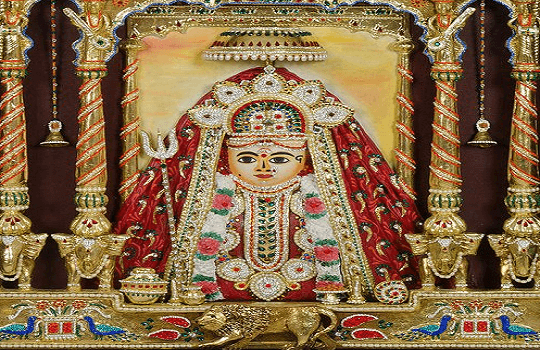
Overview of Jeen Mata
Historical Background
Jeen Mata, a revered goddess in Hinduism, has a rich historical background dating back centuries. She is considered a manifestation of Shakti, the divine feminine energy. Her temple, located in the picturesque hills of Rajasthan, is said to have been established centuries ago, drawing pilgrims and devotees seeking her blessings. Over time, her tales have woven into regional folklore, making her a beloved figure among countless devotees.
Legends and Myths
Numerous legends surround Jeen Mata, each adding a unique flavor to her lore. One popular tale recounts how she emerged from the earth to save her devotees from calamities and misfortunes. Another myth speaks of her as a divine warrior, defeating demons and protecting the righteous. These stories are not just bedtime tales; they serve to inspire faith and devotion, reinforcing her status as a protector and mother figure to her followers.
Geographical Significance
Nestled in the Aravalli range, the Jeen Mata temple is not just a place of worship but also a site of geographical significance. The stunning vistas surrounding the temple offer a tranquil sanctuary for pilgrims and tourists alike. The elevated location is believed to enhance spirituality, making it an ideal spot for prayers and meditative practices. The region's natural beauty further elevates the experience of devotion to Jeen Mata, drawing visitors from near and far.
Significance of Aarti in Hindu Worship
Definition and Purpose of Aarti
Aarti is a sacred ritual performed in Hindu worship, involving the offering of light (usually from a lamp or candle) to deities. Its purpose is to invoke divine presence and show gratitude. The flickering flames symbolize the removal of darkness and ignorance, illuminating the path of devotion. Aarti is not just about lighting a lamp; it’s about lighting the way for the soul.
Role in Devotional Practices
In Hindu devotional practices, Aarti plays a starring role, often closing prayers or ceremonies with a bang… or rather, a glow! It creates a communal atmosphere, with devotees coming together to sing and chant, effectively turning a simple ritual into a lively celebration. This collective experience enhances the feeling of community and shared faith, uniting hearts in reverence.
Aarti as a Symbol of Devotion
Aarti is more than just a ritual; it’s a heartfelt expression of love and devotion towards the divine. The rhythmic clapping, the resounding chants, and the glowing lights reflect the intense emotions devotees feel for their deities. It serves as a reminder that devotion is both an individual and collective journey, where every flicker of the flame signifies unwavering faith and dedication.
The Lyrics of Jeen Mata Ki Aarti
Original Language and Script
The lyrics of Jeen Mata Ki Aarti are traditionally composed in Hindi, with some phrases resonating in local dialects. Written in a poetic format, they carry an emotive and rhythmic quality that enhances the worship experience. The script commonly used is Devanagari, which captures the essence of the divine energy that Jeen Mata embodies.
Available Versions and Variations
There are numerous versions of Jeen Mata Ki Aarti, each reflecting different regional influences and styles. Some renditions may include additional verses that honor local customs or traditions. Whether sung in a temple or at home, these variations allow devotees to connect with the goddess in a flavor that feels most personal to them, ensuring that the spirit of the Aarti transcends boundaries.
Meaning and Interpretation of the Lyrics
Spiritual Significance
The lyrics of Jeen Mata Ki Aarti resonate with profound spiritual significance, acting as a vehicle for devotees to express their adoration and seek blessings. Each line is designed to evoke feelings of devotion and surrender, emphasizing the goddess's protective nature. The themes of love, faith, and reverence intertwine, creating an atmosphere ripe for spiritual awakening.
Thematic Elements in the Lyrics
The lyrics often highlight themes of triumph over adversity, protection, and the nurturing nature of the goddess. Imagery of light, love, and blessings permeates the verses, fostering a sense of hope and reassurance among the devotees. Each thematic element serves as a reminder of the divine presence in their lives, encouraging them to remain steadfast in their faith, no matter the storms they may face.
The Rituals Associated with Aarti
Preparation for Aarti
Before diving into the glowing ritual of Aarti, a little prep work goes a long way. Start by setting up a clean altar, as cleanliness is next to godliness, or so they say. Gather your offerings: flowers, sweets, and perhaps a few incense sticks to set the mood. Last but not least, make sure you have a diya (lamp) ready to shine bright like your faith!
Steps Involved in Performing Aarti
Now that you're set, it's time to twirl! Begin by lighting the diya, ensuring the flame dances gracefully. Stand before the deity, eyes gleaming with devotion, and slowly rotate the diya in a circular motion. This is where the magic happens—a harmonious blend of prayers, chants, and perhaps a spontaneous dance break! Conclude by offering the Aarti plate to the deity and then to the gathered devotees, spreading that divine energy all around.
Common Offerings and Prayers
When it comes to offerings during Jeen Mata Ki Aarti, think of a small feast for the goddess! Fresh flowers symbolize beauty, while sweets (because who doesn’t love sugar?) represent joy and gratitude. Don't forget the heartfelt prayers, which can range from traditional mantras to your own improvised verses—trust me, sincerity trumps poetry any day!
Popularity and Cultural Context of Jeen Mata Ki Aarti
Regional Variations and Celebrations
Jeen Mata Ki Aarti isn’t just a one-size-fits-all affair; it varies from region to region! In some places, you might find grand celebrations with folk songs and dances, while in others, it’s a quieter, more intimate affair. During festivals, the streets resonate with vibrant colors and joyful chants, making it a time when the entire community comes together to celebrate their beloved goddess.
Influence on Local Traditions
The influence of Jeen Mata Ki Aarti stretches far beyond just the chant itself. It seeps into local customs, inspiring everything from fashion (hello, colorful dupattas!) to culinary delights. Many households have their unique spin on the Aarti, adapting it to reflect their regional identity, thus weaving it into the very fabric of daily life and cultural heritage.
How to Perform Jeen Mata Ki Aarti
Essential Items Needed
To pull off a fabulous Aarti, you’ll need a few key items. First, a diya, preferably made of clay, and some ghee or oil to fuel that flame. You’ll also want a plate for your offerings, a bell for added effect (because who doesn’t love a good ring?), and of course, good vibes—lots and lots of good vibes!
Guidelines for Devotees
When performing Jeen Mata Ki Aarti, sincerity is your best friend. Maintain focus and let your heart pour into the ritual. It’s okay if you stumble on the lyrics; the goddess understands! Remember to rotate the diya clockwise while chanting, and please, avoid any kitchen-sink moves during the Aarti—let’s keep it reverent and graceful. And if someone gets a bit too enthusiastic with their dance moves? Just smile and let them bask in the joy!
Conclusion and Devotional Practices
Continuing Traditions
As we wrap up this enlightening journey through Jeen Mata Ki Aarti, it’s clear that the spirit of the ritual continues to thrive. Across generations, families are passing down the tradition, ensuring that the light of devotion shines bright against the backdrop of a modern world.
Impact on Faith and Community
The impact of Jeen Mata Ki Aarti goes beyond just an individual’s faith; it fosters a sense of community among devotees. Whether it’s through shared celebrations, communal prayers, or simply gathering to perform the Aarti together, it reinforces bonds and creates a sense of belonging. After all, isn’t life better when experienced together?In conclusion, Jeen Mata Ki Aarti stands as a beautiful expression of devotion and reverence within Hindu worship. Its lyrics not only reflect the deep spiritual connection devotees share with the goddess but also reinforce the cultural traditions that have been passed down through generations. By understanding the significance of this aarti and the rituals associated with it, devotees can enhance their spiritual practice and foster a stronger sense of community. As the practice of reciting Jeen Mata Ki Aarti continues to thrive, it remains a vital part of the religious landscape, inspiring faith and devotion among countless followers.
FAQ
What is the significance of Jeen Mata in Hinduism?
Jeen Mata is considered a powerful goddess in Hinduism, revered for her protective qualities and blessings. She is worshipped by many devotees, particularly in specific regions where her temples are located.
What does the term "Aarti" mean?
Aarti refers to a devotional ritual in Hindu worship involving the offering of light to deities. It typically involves singing hymns and chanting prayers to express devotion and gratitude.
Are there different versions of Jeen Mata Ki Aarti?
Yes, there are various versions of Jeen Mata Ki Aarti, reflecting regional differences and interpretations. Devotees may find different lyrics and melodies depending on the cultural context.
How is Jeen Mata Ki Aarti performed?
Jeen Mata Ki Aarti is performed by gathering essential items like lamps, flowers, and incense, followed by reciting the lyrics while waving the light in front of the deity. It is often accompanied by prayers and offerings to express devotion.


Comments