
devi aarti pdf
Devi Aarti is a cherished ritual in Hindu worship, celebrating the divine feminine and expressing devotion through song and offering. This spiritual ceremony plays a significant role in various religious practices, marking moments of reverence and connection with the goddess. With roots steeped in tradition, Devi Aarti encompasses a rich history and diverse interpretations across regions, making it a fascinating subject for exploration. This article delves into the significance, components, and rituals associated with Devi Aarti, providing insights into its cultural variations, benefits, and how to access various texts, including PDFs for personal use.
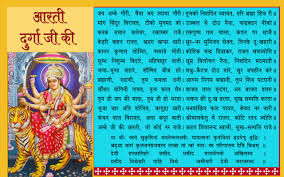
ता की आरती ( Maa Durga Navratri Aarti )
जय अंबे गौरी, मैया जय श्यामा गौरी।
तुमको निशिदिन ध्यावत, हरि ब्रह्मा शिवरी॥ ओम जय अंबे गौरी
मांग सिन्दूर विराजत, टीको मृगमद को।
उज्जवल से दोउ नैना, चन्द्रवदन नीको॥ ओम जय अंबे गौरीकनक समान कलेवर, रक्ताम्बर राजै।
रक्तपुष्प गल माला, कण्ठन पर साजै॥ ओम जय अंबे गौरीकेहरि वाहन राजत, खड्ग खप्परधारी।
सुर-नर-मुनि-जन सेवत, तिनके दुखहारी॥ ओम जय अंबे गौरी
कानन कुण्डल शोभित, नासाग्रे मोती। कोटिक चन्द्र दिवाकर,
सम राजत ज्योति॥ ओम जय अंबे गौरी
शुम्भ-निशुम्भ बिदारे, महिषासुर घाती। धूम्र विलोचन नैना,
निशिदिन मदमाती॥ ओम जय अंबे गौरी
चण्ड-मुण्ड संहारे, शोणित बीज हरे।
मधु-कैटभ दोउ मारे, सुर भयहीन करे॥ ओम जय अंबे गौरी
ब्रहमाणी रुद्राणी तुम कमला रानी।
आगम-निगम-बखानी, तुम शिव पटरानी॥ ओम जय अंबे गौरी
चौंसठ योगिनी मंगल गावत, नृत्य करत भैरूं।
बाजत ताल मृदंगा, अरु बाजत डमरु॥ ओम जय अंबे गौरी
तुम ही जग की माता, तुम ही हो भरता।
भक्तन की दु:ख हरता, सुख सम्पत्ति करता॥ ओम जय अंबे गौरी
भुजा चार अति शोभित, वर-मुद्रा धारी।
मनवान्छित फल पावत, सेवत नर-नारी॥ ओम जय अंबे गौरी
कंचन थाल विराजत, अगर कपूर बाती।
श्रीमालकेतु में राजत, कोटि रतन ज्योति॥ ओम जय अंबे गौरी
श्री अम्बेजी की आरती, जो कोई नर गावै।
कहत शिवानन्द स्वामी, सुख सम्पत्ति पावै॥ ओम जय अंबे गौरी, ओम जय अंबे गौरी
जोर से बोलो जय माता दी, सारे बोले जय माता दी। बोल सांचे दरबार की जय
जयकारा शेरावाली का बोल सांचे दरबार की जय
Understanding Devi Aarti: Significance and Purpose
Definition of Aarti
Aarti, at its core, is a Hindu ritual that involves the offering of light to deities, typically in the form of a small flame from a lamp or candle. It’s not just about flickering lights; it's an act of devotion that illuminates the spiritual bond between the worshipper and the divine. Think of it as the celestial equivalent of saying “Hey, I see you!”
Spiritual Importance in Hinduism
In Hinduism, Devi Aarti embodies reverence, gratitude, and love towards the Goddess. It symbolizes the removal of darkness—a metaphor for ignorance—and the welcoming of divine light into our lives. When performed with devotion, it is believed to invoke blessings, protection, and positivity, much like your coffee on a Monday morning!
Role in Worship and Devotion
Devi Aarti is often a highlight of religious ceremonies, bringing communities together as they chant in unison. It's more than just a performance; it's an expression of collective faith and devotion. The shared experience fosters a sense of belonging and deepens one's connection to the divine, allowing everyone to feel like a part of something larger than themselves—like a family dinner, but with fewer mashed potatoes and more spiritual upliftment.
Historical Context of Devi Aarti
Origins and Evolution
The roots of Devi Aarti can be traced back to ancient rituals where light was used symbolically to honor deities. Over time, these practices evolved, adopting various forms and styles, reflecting the cultural richness of different regions in India. It’s like how pizza has evolved into deep-dish and thin-crust versions—each with its own charm!
Influence of Ancient Texts
Ancient scriptures, such as the Vedas and Puranas, highlight the significance of light in worship. These texts provide a foundation for the rituals, reinforcing the connection between Aarti and the divine. Much like your favorite book influences your taste in movies, these ancient writings have shaped the parameters of worship and devotion over centuries.
Regional Variations Through History
Different regions in India have embraced Devi Aarti in their unique ways, leading to a variety of practices. From the vibrant aartis of Maharashtra to the melodious renditions in West Bengal, each version tells a story of local culture and heritage. It's like a cultural potluck—everyone brings their own dish (or aarti) to the table!
Key Components of Devi Aarti
Common Mantras and Chants
Aarti is often accompanied by specific mantras and chants dedicated to the Goddess, which can vary across traditions. These mantras are rhythmic, melodic, and soothing, creating an atmosphere of divine presence. They’re like the catchy jingles that stick in your head long after the worship is over!
Symbolism of Offerings
During the Aarti, offerings like flowers, sweets, and incense are presented, each symbolizing devotion and respect. These offerings represent the material and spiritual gifts that devotees present to the Goddess as tokens of gratitude. Think of it as showing up to a party with a dish to share—it's all about generosity!
Instruments Used in Aarti
The Aarti ceremony typically features instruments like the bell, harmonium, and cymbals, each contributing to the lively atmosphere. The ringing of the bell symbolizes the awakening of the divine presence, while the harmonious sounds of the instruments elevate the devotional experience. It’s basically a spiritual concert, minus the annoying mosh pit!
Popular Devi Aarti Texts and Their Translations
Famous Aarti Texts
Among the most popular Aarti texts are the “Jai Jagdish Hare” and the “Durga Aarti,” both celebrated for their lyrical beauty and rich meanings. Each text is a nod of appreciation to the divine, and they’ve been sung across generations, much like your grandmother’s favorite oldies playlist!
Translations and Interpretations
Translations of Aarti texts help make the powerful messages accessible to non-Hindi speakers. They facilitate a deeper understanding of the devotion expressed in the verses, allowing more people to join in this sacred practice. Think of it as subtitles in a foreign film—making every emotional moment crystal clear!
Modern Adaptations
In recent years, modern adaptations of Devi Aarti have emerged, blending traditional music with contemporary styles. This fusion makes the practice appealing to younger generations, ensuring that the essence of devotion continues to resonate. It’s like taking a classic recipe and giving it a trendy twist—who doesn’t love a good remix?
The Ritual Process of Performing Devi Aarti
Preparation and Setup
Before diving into the divine ambiance, a proper setup is essential. Gather your items: a clean plate, a diya (lamp), incense sticks, flowers, and, of course, the Devi Aarti text itself—preferably printed or on your device. Ensure the space is tidy because we all know that spiritual vibes don’t mix well with clutter. Light the diya and incense, and don’t forget to wear something comfortable, preferably something you can feel good in while you channel your inner devotional self.
Step-by-Step Ritual Guide
1. Begin with a Clean Heart: Start by centering yourself and setting intentions. A few deep breaths can work wonders.
2. Light the Diya: With reverence, light the diya and place it before the idol or image of the Devi.
3. Recite the Aarti: Hold the plate with the diya in front of you and start reciting the Aarti. Keep your focus on the divine, letting the words resonate with your spirit.
4. Circulate the Diya: After reciting, gently rotate the plate in front of the Devi while continuing to sing or chant. This is often where the magic happens!
5. Offer Prayers: Follow up with personal prayers or wishes, letting them float to the heavens along with the fragrant incense.
6. Conclude with Gratitude: End your ritual by thanking the Devi, extinguishing the diya, and sharing the prasad (offering) if you have prepared any.
Post-Aarti Practices
Once the Aarti is done, take a moment to reflect. Sit in silence, maybe meditate or journal about the experience. If you’re feeling particularly generous, share the prasad with family or friends. It’s a lovely gesture that spreads those good vibes. And remember, keep the area tidy again, so you can jump right back into daily life without carrying the clutter of the divine into the mundane.
Cultural Variations in Devi Aarti Practices
Regional Differences Across India
From north to south, and east to west, the way of singing Devi Aarti varies significantly. In some regions, you’ll find traditional folk tunes filling the air, while other areas may prefer more classical renditions. In Gujarat, for example, you might encounter lively Garba rhythms accompanying the Aarti. Meanwhile, in Maharashtra, you might be swaying to the melodious tones of an old-time bhajan. Each rendition reflects local flavors, creating a tapestry of devotion that’s uniquely Indian.
Influence of Local Traditions
Local customs infuse Devi Aarti practices with individual flair. In coastal regions, offerings may include seashells and fish, while in mountainous areas, fruits and flowers are more common. The devotion remains the same, but the presentation often tells a fascinating story of local culture. It's like a spiritual potluck where everyone brings their own special dish of devotion!
Contemporary Practices and Innovations
In the modern world, technology meets tradition, resulting in creative expressions of Devi Aarti. Virtual Aarti sessions, social media live streams, and apps featuring Aarti texts are popping up everywhere. Innovative musicians remix traditional Aarti songs, making them accessible to younger generations. Who knew combining spirituality with a dash of modernity could be so refreshing?
Benefits and Spiritual Importance of Devi Aarti
Emotional and Psychological Benefits
Participating in Devi Aarti can be an emotional release. It’s like hitting the refresh button on your soul. The repetitive chanting can promote mindfulness, reduce anxiety, and foster a sense of peace. And let’s not forget the added bonus of connecting with something greater than ourselves—talk about an instant mood booster!
Community and Social Aspects
Devi Aarti isn’t just a solo act; it’s a communal affair! Gathering with friends, family, or community members for Aarti solidifies social bonds. It’s a beautiful way to create and celebrate shared experiences, bringing folks together to revel in both spirituality and camaraderie. Who knew spirituality could be a great excuse for socializing?
Personal Transformation and Growth
Regular participation in Devi Aarti can lead to substantial personal growth. It encourages introspection, increases gratitude, and often awakens a sense of purpose. Many devotees report feeling more aligned with their values and more capable of navigating life’s challenges. In essence, it’s like a spiritual boot camp, but with a lot more love and a lot less sweat!
Accessing Devi Aarti PDF: Sources and Download Options
Online Resources and Websites
The internet is your best friend when hunting for Devi Aarti PDFs. Websites dedicated to Hindu scriptures and music, as well as cultural sites, often feature downloadable versions. A quick search should lead you to a treasure trove of options—just remember to double-check the authenticity of the source!
Printable Formats and Accessibility
Once you’ve found your ideal Aarti, consider printing it out for easy access during your rituals. Most PDFs are formatted for easy printing, so you can have your own personal booklet. Bonus points for using eco-friendly paper—Mother Nature will thank you!
Recommendations for Authentic Sources
To ensure you’re practicing with a genuine version, stick to well-known religious websites, cultural heritage platforms, or community forums. Websites run by temples or recognized spiritual organizations are solid bets. If in doubt, consult with someone experienced in the tradition. They can help you avoid any Aarti faux pas!In conclusion, Devi Aarti serves as a profound expression of devotion and a vital component of Hindu worship. Its rich history, cultural variations, and spiritual significance highlight the deep connection between the divine and devotees. Whether performed in a temple or at home, the ritual fosters a sense of community and personal growth. By exploring the various texts and practices associated with Devi Aarti, individuals can deepen their understanding and enhance their spiritual journey. Whether you seek to participate in the ritual or simply learn more, the resources available can guide you in experiencing this beautiful expression of faith.
Frequently Asked Questions
What is the significance of Devi Aarti in Hindu worship?
Devi Aarti holds immense significance as it is a way to show reverence and devotion to the goddess. It serves as a spiritual practice that enhances the connection between the devotee and the divine, facilitating a sense of peace and spiritual fulfillment.
Are there different versions of Devi Aarti?
Yes, there are various versions of Devi Aarti that differ by region and tradition. Each version may include unique mantras, melodies, and rituals that reflect local customs and beliefs.
How can I access Devi Aarti PDFs?
Devi Aarti PDFs can be accessed through various online resources, including religious websites, devotional apps, and digital collections. Many platforms offer free downloads or printable formats for personal use.
Can anyone perform Devi Aarti, or is it restricted to certain individuals?
Anyone can perform Devi Aarti, regardless of their background or experience. The ritual is open to all who wish to express their devotion and connect with the divine feminine. However, understanding the rituals and mantras can enhance the experience.


Comments